
Currently Empty: ₹0.00
If you’ve ever heard someone say, “This food has a high GI,” you might have wondered what that really means.
Is it just another health buzzword?
Or does it actually affect your body?
The truth is — Glycaemic Index (GI) plays a major role in how your body responds to carbohydrates, especially sugar.
Let’s break it down simply.
What is Glycaemic Index (GI)?
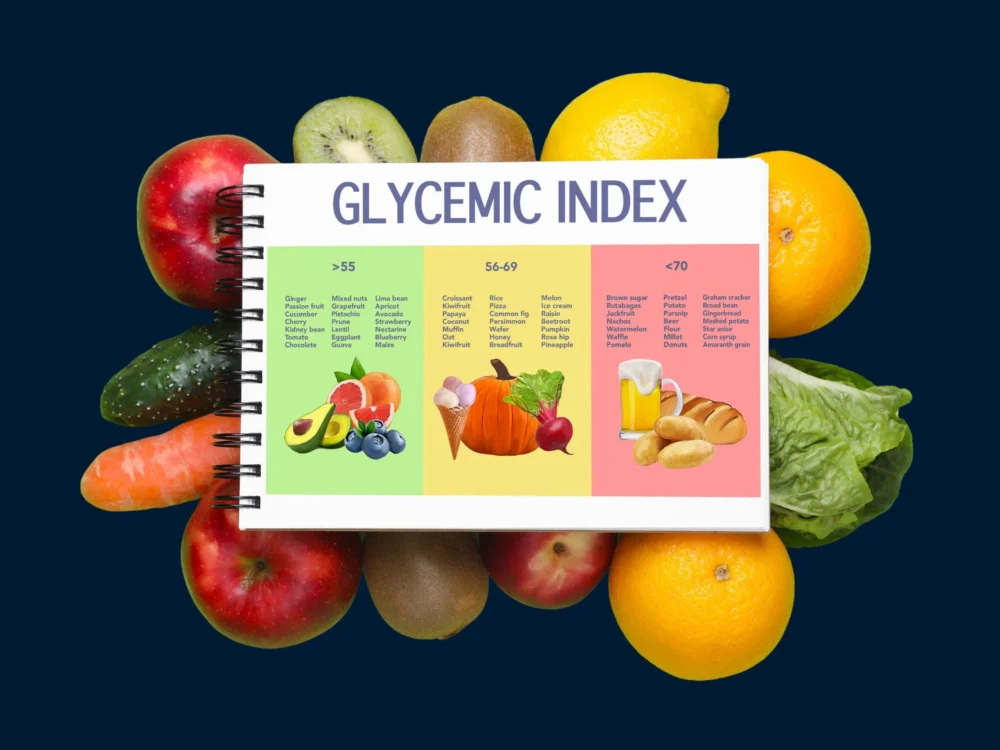
The Glycaemic Index (GI) is a scale that measures how quickly a carbohydrate-containing food raises your blood sugar levels.
The scale ranges from 0 to 100:
- High GI (70 and above) → Rapid blood sugar spike
- Medium GI (56–69) → Moderate increase
- Low GI (55 and below) → Slow, steady release of glucose
Pure glucose is used as the reference point and has a GI of 100.
In simple terms:
The higher the GI, the faster your blood sugar rises.
Why Does GI Matter?
Your body converts carbohydrates into glucose (sugar) for energy.
But how fast that happens makes a big difference.
1️⃣ Blood Sugar Spikes
High-GI foods like refined sugar cause rapid spikes in blood glucose.
This forces the body to release large amounts of insulin.
Over time, repeated spikes may contribute to:
- Insulin resistance
- Type 2 diabetes risk
- Energy crashes
- Increased cravings
2️⃣ Energy Levels
Ever felt tired after eating something sweet?
That’s the spike-and-crash cycle.
High GI → Quick spike → Quick drop → Fatigue & cravings
Low-GI foods provide a more gradual release of energy, helping maintain stable energy levels throughout the day.
3️⃣ Weight Management
High-GI foods can trigger hunger sooner due to rapid drops in blood sugar.
Low-GI foods help:
- Improve satiety
- Reduce unnecessary snacking
- Support balanced metabolism
That’s why many weight-loss and fitness plans recommend low-GI eating.
Examples of High vs Low GI Foods
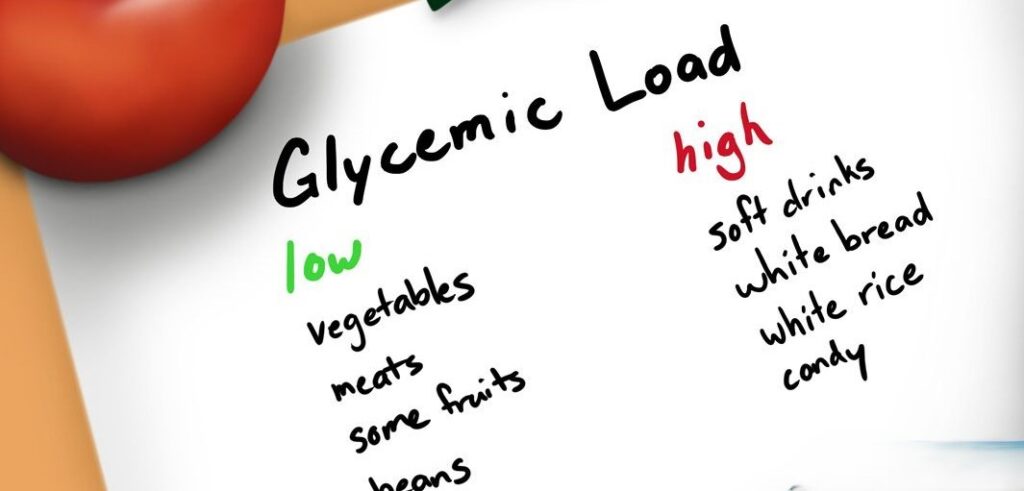
High GI Foods
- White bread
- Refined sugar
- Sweetened beverages
- Processed cereals
Lower GI Options
- Whole grains
- Legumes
- Certain fruits
- Natural low-GI sweeteners
What About Sugar?
Refined sugar has a high glycaemic impact, meaning it raises blood glucose quickly.
This is why people managing:
- Diabetes
- Pre-diabetes
- PCOS
- Weight concerns
Are often advised to reduce refined sugar intake.
Are All Sweeteners Equal?
Not really.
Some natural sweeteners have lower glycaemic impact compared to refined sugar.
For example:
- Monk fruit-based sweeteners have a glycaemic index of zero.
- Certain natural alternatives release glucose more gradually than white sugar.
Choosing a lower-GI sweetening option can help reduce the spike-crash cycle associated with regular sugar.
Should Everyone Follow a Low-GI Diet?
Not necessarily.
GI is one tool — not the only factor.
Balanced meals with fiber, protein, and healthy fats naturally slow down glucose absorption. But for individuals managing blood sugar or looking for better energy stability, paying attention to GI can be helpful.
The Takeaway
Glycaemic Index (GI) matters because it affects:
- Blood sugar stability
- Energy levels
- Cravings
- Long-term metabolic health
Reducing high-GI foods — especially refined sugar — is a smart step toward better health.
Small daily switches can make a meaningful difference over time.
A Smarter Way to Sweeten
If you love sweetness but want to avoid sugar spikes, consider exploring natural, lower-GI alternatives that fit into your lifestyle.
Because sweetness shouldn’t come with consequences.
